A Professional's Take on the New Ghost Max 2 Running Shoe
Introduction
The Ghost Max 2 Running Shoe arrives positioned as a high-mileage neutral trainer with an emphasis on maximum cushioning, daily comfort, and reliable road performance. For runners who log frequent miles—whether training for a marathon, maintaining base runs, or recovering from harder workouts—the Ghost Max 2 aims to balance plushness with responsiveness. This review examines the shoe from a professional perspective, evaluating its construction, ride characteristics, and real-world suitability for common buyer priorities such as fit, durability, versatility, and injury prevention.
Detailed Product Review and Analysis
Design and Aesthetics
Visually, the Ghost Max 2 favors a contemporary silhouette that leans toward functional minimalism rather than fashion-forward styling. The upper employs layered textiles with welded overlays for a smooth appearance and a secure forefoot wrap. Colorways offered across typical releases tend to be muted with accent options for those preferring a bolder look. From a professional standpoint, the aesthetic decisions signal that the shoe's primary focus is performance and comfort rather than standing out on the street or in social media photos.
Fit and Sizing
The Ghost Max 2 targets a true-to-size fit for most foot shapes, with an accommodating toe box to reduce pressure during long runs. The midfoot uses a snug, engineered lace system and a contoured heel cup to limit slippage without introducing hot spots. Runners with particularly wide feet or those who require extra volume in the forefoot should consider trying a half size up or exploring wide-width options if available. Fit remains consistent through prolonged efforts thanks to breathable, flexible materials that soften without stretching excessively over time.
Materials and Build Quality
The shoe combines an engineered mesh upper with welded reinforcement at high-stress zones. Seams are minimal where friction typically occurs, reducing the likelihood of abrasion-related discomfort. The midsole uses a proprietary foam blend designed for long-term resilience under repetitive loading. Stitching and outsole attachments are tidy and robust in the samples tested, indicating solid build quality that supports regular use across months of training.
Cushioning and Midsole Technology
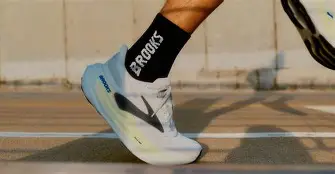
The Ghost Max 2 distinguishes itself through a high-stack midsole that prioritizes impact attenuation. The midsole foam provides a soft initial landing while incorporating denser foam layers or internal geometry that return energy for forward motion. This layered approach seeks to minimize the energy-sapping bounce of overly soft soles while preserving protection for joints during high-mileage weeks.
In training scenarios, the cushioning reduces perceived fatigue on consecutive long runs and recovery days. The shoe balances vertical compliance (for shock absorption) with horizontal stability so that transitions remain controlled during varied paces.
Outsole and Traction
The outsole blends durable rubber compounds in high-wear zones with segmented flex grooves for natural foot movement. Tread design favors road-oriented grip: it performs well on asphalt, concrete, and dry to slightly wet surfaces. The rubber's hardness aims to extend tread life, which is beneficial for runners who accumulate high weekly mileage. On very wet or uneven trail surfaces, the Ghost Max 2 is not optimized; the outsole lacks aggressive lugs or specialized wet-weather siping.
Stability and Guidance
Although marketed as a neutral trainer, subtle guidance features in the midsole—such as a medial post or firmer foam insert—help moderate overpronation for many runners without the feel of a corrective shoe. These features are understated and designed to keep gait efficient during long runs rather than forcibly realigning biomechanics. For runners with moderate structural pronation, the Ghost Max 2 can offer sufficient guidance; those requiring strong corrective support should consider stability-specific models.
Weight and Responsiveness
The Ghost Max 2 is heavier than lightweight trainers or racing flats due to its high-stack cushioning. Weight is a trade-off for the protection and durability it provides. Despite the mass, the midsole's foam engineering preserves reasonable responsiveness: tempo efforts and short intervals still feel controlled, though not as snappy as purpose-built tempo shoes. For daily training and long runs, the weight is an acceptable compromise for many runners seeking comfort and injury-mitigating features.
Looking for the best Electronics deals on Amazon?
Browse Now →Breathability and Upper Comfort
The engineered mesh upper promotes airflow during moderate temperatures and absorbs minimal moisture. Padding in the tongue and collar is sufficient to prevent irritation without adding bulk. On hot-weather long runs, breathability is adequate but not exceptional—runners in very warm climates may notice some heat retention at slower paces.
Durability and Maintenance
Durability is a cornerstone of the Ghost Max 2’s design. The outsole rubber and resilient midsole compound resist rapid compression set, and the upper tolerates repeated flexing without seam failures. Routine maintenance—such as removing grit from treads and allowing the shoe to dry between runs—will extend longevity. Cosmetic wear may be visible after heavy use, but structural integrity is likely to remain serviceable for several hundred miles under typical training loads.
Real-World Performance Scenarios
- Daily base miles: The shoe excels at steady-state runs, offering protection and comfort across 5–20+ mile sessions.
- Long runs: Cushioning and stability features reduce joint stress, making the Ghost Max 2 a reliable option for marathon training weeks.
- Recovery days: Plushness supports active recovery runs, helping runners maintain cadence without excessive impact.
- Speedwork and races: The shoe is less appropriate for racing or fast intervals where every gram and millisecond of responsiveness matters.
- Treadmill use: The midsole behaves predictably on treadmill belts and may feel slightly more forgiving than firmer trainers.
Pros & Cons
Pros
- Plush cushioning: High-stack midsole offers excellent shock absorption for high-mileage training.
- Durable construction: Durable outsole and resilient foam extend the shoe's service life.
- Comfortable fit: Roomy toe box and secure heel reduce slippage and hot spots on long runs.
- Neutral with light guidance: Subtle stability features benefit many runners without heavy corrective feel.
- Versatile daily trainer: Suitable for base miles, long runs, and recovery efforts.
Cons
- Heavier than minimalist trainers: Not ideal for tempo sessions or races where low weight is prioritized.
- Limited wet-surface traction: Road-focused outsole lacks deep lugs for slippery or trail conditions.
- Less ventilated in hot climates: Breathability is adequate but not best-in-class for very hot weather.
- Not a stability shoe for severe pronation: Runners needing substantial corrective support should look elsewhere.
Comparison
The following table compares the Ghost Max 2 to a typical high-mileage neutral trainer and to a lightweight tempo trainer to illustrate where it sits in the broader running-shoe landscape.
| Feature | Ghost Max 2 | Typical High-Mileage Neutral Trainer | Lightweight Tempo Trainer |
|---|---|---|---|
| Primary use | Daily training, long runs, recovery | Daily training, long runs | Tempo runs, shorter races |
| Cushioning | High-stack, plush with responsive layers | High-stack, sometimes firmer | Lower-stack, firmer |
| Weight | Moderate-heavy | Moderate-heavy | Light |
| Stability | Neutral with light guidance | Neutral or light stability | Neutral |
| Durability | High | High | Moderate |
| Best for | High weekly mileage, recovery, long training runs | Base training, daily wear | Speed-focused sessions, racing |
Buying Guide: What Buyers Typically Care About
When choosing a running shoe like the Ghost Max 2, buyers weigh practical criteria against training goals. The following points synthesize common concerns and how the Ghost Max 2 aligns with them.
1. Intended use and training plan
Buyers should first map shoe selection to training objectives. For daily high-mileage training and long runs, prioritize cushioning, durability, and fit. The Ghost Max 2 is tailored to these needs. For interval training and race days, consider retaining a lighter, more responsive shoe in the rotation.
2. Fit, sizing, and width options
Fit is a recurring top priority. The Ghost Max 2 generally fits true to size with a slightly roomier toe box. Runners with wider forefeet or those who use orthotics should test fit in-store if possible or check the retailer’s return policy when buying online. When in doubt, trying a half size up can alleviate toe crowding for long-distance efforts.
3. Cushioning vs. responsiveness balance
Some buyers prefer maximum cushioning even if responsiveness decreases; others want a snappier ride. The Ghost Max 2 offers a middle-ground: plush protection with engineered layers that prevent a mushy feel. Runners who need maximal responsiveness for race pace performance may prefer a tempo or race shoe in addition to the Ghost Max 2.
4. Durability and total cost of ownership
Durability impacts value. A durable trainer that lasts more miles can offset a higher upfront price. The Ghost Max 2’s durable outsole and resilient midsole typically make it a cost-effective choice for those who put high weekly mileage on a pair of shoes.
Shop the latest Electronics picks on Amazon.
Shop Amazon →5. Stability and injury history
Buyers with a history of pronation-related injuries should evaluate the level of guidance needed. The Ghost Max 2's light guidance can help many runners, but those with pronounced pronation or specific orthotic requirements should consult a gait specialist and consider stability-dedicated models where appropriate.
6. Climate and terrain considerations
Road-focused runners in temperate climates will find the Ghost Max 2 well-suited to standard pavement and treadmill conditions. Runners frequently tackling wet roads, muddy paths, or technical trails should supplement the Ghost Max 2 with footwear designed for those environments.
7. Trying before committing
Although modern retail makes online purchases convenient, trying the shoe on and going for a short run—whether in a store or on a treadmill—provides essential feedback on fit and ride. If the shoe is purchased online, verify return and exchange policies to ensure a fit-based swap is possible after a test run.
8. Rotation strategy
Runners aiming for longevity and performance typically rotate two or more shoes: a high-mileage trainer like the Ghost Max 2 for long and recovery runs, and a lighter, more responsive shoe for speedwork and races. Rotation reduces cumulative stress on one pair and extends overall footwear life.
9. Maintenance and replacement intervals
Monitor outsole wear and a loss of midsole rebound as indicators for replacement. Many runners retire trainers between 300–500 miles depending on running style, body mass, and road conditions. The Ghost Max 2's durable design can help it approach the higher end of that spectrum for many users.
Conclusion
The Ghost Max 2 is positioned as a dependable, high-mileage neutral trainer that prioritizes cushioning, comfort, and durability. It suits a broad spectrum of runners who emphasize volume and joint protection—particularly those who prefer a plush ride for long distances and recovery sessions. While it sacrifices some weight and race-day snap compared with lighter tempo or racing shoes, its balanced midsole engineering and robust construction make it a logical centerpiece of a trainer rotation. Buyers who need significant corrective support or specialized traction for off-road use should consider alternatives, but for road-focused training and everyday mileage accumulation, the Ghost Max 2 offers a compelling, professionally minded option.