Stop Wasting Money: Here Are the Only 10 TVs You Should Actually Consider
The consumer electronics market is notorious for creating a paradox of choice. Walk into any major retailer or browse an online marketplace, and you are immediately bombarded with hundreds of model numbers, cryptic acronyms like QLED, OLED, and Mini-LED, and price points that range from a few hundred dollars to the cost of a used sedan. For the average buyer, this environment is designed to encourage overspending on features they will never use or, conversely, "saving" money on a panel that will fail or look washed out within twelve months. The truth is that out of the vast sea of displays available today, only a select few offer the engineering quality, color accuracy, and longevity required to be considered a smart investment. This article filters through the marketing noise to identify ten specific televisions that define their respective categories, ensuring you never waste another dollar on a sub-par screen.
The Evolution of the Living Room Centerpiece
Before diving into the specific recommendations, it is vital to understand what makes a television worth its asking price in the current era. We have moved past the days where simply being "thin" or "4K" was enough. Today’s buyers care about HDR (High Dynamic Range) performance, which dictates how bright highlights can get without losing detail. They care about black levels—the ability of a TV to show true darkness rather than a murky gray. Gamers look for high refresh rates and low input lag, while movie buffs demand cinematic color science. The models listed below have been selected because they excel in these real-world metrics, representing the pinnacle of value and performance across various budgets.
1. LG CX OLED: The Eternal Gold Standard
While newer models have succeeded it, the LG CX OLED remains a legendary benchmark in the industry. It was the moment OLED technology truly matured, offering perfect black levels and infinite contrast that traditional LED-backlit TVs simply cannot match. Because each pixel in an OLED panel is self-emissive, it can turn off completely, creating a depth of image that is transformative for late-night movie viewing. It is particularly revered in the gaming community for being one of the first to offer full HDMI 2.1 support across all ports, making it a "forever TV" for those who want to bridge the gap between cinema and interactive entertainment.
Pros & Cons
- Pros: Perfect black levels and infinite contrast ratio; exceptional viewing angles for wide seating arrangements; near-instantaneous response time for gaming; sleek, ultra-thin aesthetic.
- Cons: Risk of permanent image retention (burn-in) if static elements are left on screen for thousands of hours; peak brightness is lower than top-tier Mini-LED panels.
2. Panasonic Z95A OLED: The Purist's Choice
The Panasonic Z95A represents the absolute peak of Japanese engineering and Hollywood-tuned color accuracy. Panasonic has long been the brand of choice for professional colorists, and the Z95A continues this tradition by integrating a Master OLED Ultimate panel with Micro Lens Array (MLA) technology. This addition allows the TV to reach brightness levels previously thought impossible for OLED, while maintaining the nuanced shadow detail that film enthusiasts crave. It is a specialized tool for those who want to see a film exactly as the director intended, without the artificial sharpening or oversaturation common in consumer-grade displays.
Pros & Cons
- Pros: Extraordinary peak brightness for an OLED; professional-grade color calibration out of the box; integrated 360-degree Soundscape Pro audio system; supports every major HDR format.
- Cons: Higher price point than mass-market competitors; design is functional rather than stylish; limited availability in certain global markets.
3. Samsung QN85B QLED: The Bright Room Hero
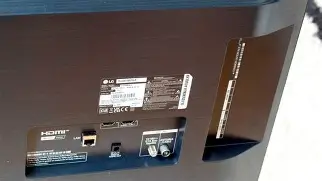
For many households, a dark room is a luxury. If your TV is situated in a sun-drenched living room with multiple windows, an OLED might struggle with reflections and overall luminance. This is where the Samsung QN85B shines. Utilizing Neo QLED technology (Mini-LED), this television uses thousands of tiny LEDs to power its backlight. This results in incredible "pop" and vibrant colors that remain visible even in high-ambient-light environments. It balances high-end performance with a robust smart platform, making it the ideal family hub for daytime sports and evening streaming.
Pros & Cons
- Pros: Massive peak brightness levels that cut through glare; vibrant and saturated color volume thanks to Quantum Dots; excellent anti-reflective coating; thin, uniform "NeoSlim" design.
- Cons: Some "blooming" or light leakage can be seen around bright objects on dark backgrounds; lacks Dolby Vision support, favoring Samsung’s own HDR10+ format.
4. Hisense U75Qg Mini-LED: The Value King
Hisense has disrupted the market by offering high-end specifications at mid-range prices. The U75Qg Mini-LED is a prime example of this strategy. For the price of a standard budget TV from a legacy brand, Hisense provides Mini-LED backlighting, a 144Hz refresh rate, and impressive local dimming zones. It is the tactical choice for a buyer who wants 90% of the performance of a flagship TV at 50% of the cost. Whether it is used for high-speed gaming or watching 4K Blu-rays, the U75Qg punches significantly above its weight class.
Pros & Cons
- Pros: Incredible price-to-performance ratio; 144Hz native refresh rate is perfect for PC gaming; surprisingly deep blacks for a non-OLED; supports Dolby Vision and HDR10+.
- Cons: Build quality is more plastic-heavy than premium rivals; software interface can occasionally feel sluggish; viewing angles are narrower than IPS or OLED panels.
5. LG B3 OLED: The Entry-Point to Luxury
If you have always wanted an OLED but couldn't justify the four-figure investment, the LG B3 is your solution. It offers the same fundamental "perfect black" technology as LG’s more expensive C-series and G-series models but uses a slightly less powerful processor and fewer high-speed HDMI ports. For the average viewer who primarily streams Netflix or watches cable, the difference in image processing is negligible. It provides that "inky" look that makes space scenes and horror movies look spectacular without the premium markup.
Looking for the best TVs & Home Theater deals on Amazon?
Shop Amazon →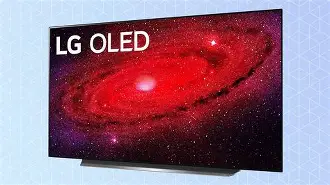
Pros & Cons
- Pros: Most affordable way to get a modern OLED panel; perfect contrast and black levels; excellent gaming features including G-Sync and FreeSync compatibility.
- Cons: Lower peak brightness compared to the C3 or G3 models; only two HDMI 2.1 ports out of four; simpler stand design.
6. TCL QM9K: The Innovation Surprise
TCL has moved from being a budget alternative to a legitimate technical innovator. The QM9K utilizes a sophisticated backlight system that rivals the most expensive sets in the world. By packing in a high number of local dimming zones, it manages to minimize the "halo" effect that plagues cheaper LED TVs. This model is particularly suited for high-action content—think Formula 1 or fast-paced action cinema—where motion clarity and bright, punchy highlights are paramount. It represents the maturation of TCL as a brand that can compete with anyone.
Pros & Cons
- Pros: Extreme brightness capability; very effective local dimming that rivals OLED-like black levels; great built-in speakers compared to rivals.
- Cons: Aggressive processing can sometimes make film look a bit too "digital"; large stand footprint requires a wide media console.
7. LG UQ75 Series (UQ7590 / UQ7570): The Reliable Workhorse
Not every TV needs to be a cinematic masterpiece. Many buyers just want a reliable, smart, and clear screen for a bedroom, a kitchen, or a kid’s playroom. The LG UQ75 series (including variations like the UQ7590 and UQ7570) serves this purpose perfectly. While it lacks the advanced panel technology of an OLED or Mini-LED, it offers a consistent 4K image, LG's excellent WebOS smart platform, and solid build quality. It is a "safe" buy—a TV that won’t break the bank but also won’t frustrate you with poor software or a flickering panel.
Pros & Cons
- Pros: Very budget-friendly; intuitive smart TV interface with wide app support; reliable performance for everyday TV watching; slim design for wall mounting.
- Cons: Black levels appear more like dark gray in a dark room; minimal HDR impact due to limited brightness; 60Hz refresh rate is not ideal for competitive gaming.
8. Samsung S85F: The Balanced Performer
The S85F occupies a unique space in Samsung's lineup, focusing on a balance between color vibrancy and design. It is built for the "lifestyle" buyer—someone who wants their TV to look good even when it’s turned off. The S85F utilizes a high-quality QLED panel that ensures skin tones look natural and landscapes look lush. It avoids the clinical, overly sharp look of some budget LED sets, opting instead for a more refined, naturalistic image that appeals to a wide demographic.
Pros & Cons
- Pros: Distinctive and premium design language; accurate and vibrant color reproduction; great integration with the Samsung ecosystem (phones, appliances).
- Cons: Lacks the ultra-deep blacks of Mini-LED or OLED variants; built-in audio is somewhat lacking in bass and depth.
9. Hisense H9E Plus: The Hidden Legacy Gem
The H9E Plus is a reminder of how quickly TV technology moves, but it remains a highly sought-after model on the secondary and clearance markets because of its specific panel tuning. Known for its extremely smooth motion handling, the H9E Plus was a favorite for sports fans. Even by today’s standards, its ability to track a fast-moving football or hockey puck without significant blurring is impressive. For value-conscious buyers looking at refurbished or older stock, this model remains one of the few older units that holds up against modern mid-range displays.

Pros & Cons
- Pros: Superior motion handling for sports; solid color accuracy for a mid-tier set; sleek bezel-less design.
- Cons: Smart platform is dated and may require an external streaming stick; lacks modern HDMI 2.1 features for new-gen consoles.
10. Nebula X1: The Future of Modular Viewing
The Nebula X1 represents a shift toward more versatile viewing. While not a traditional "big-brand" name, it has gained a cult following for its integration of high-resolution imaging with an incredibly flexible software environment. It is often the choice for tech-forward offices or creative studios where the screen needs to pull double duty as a presentation monitor and a high-fidelity media player. It prioritizes clarity and connectivity, ensuring that no matter the source—be it a laptop, a tablet, or a streaming box—the image remains stable and crisp.
Pros & Cons
- Pros: Excellent connectivity options; crisp, text-friendly resolution for multi-purpose use; minimalist aesthetic.
- Cons: Not as widely available in retail stores; specialized focus means it lacks some consumer "fluff" like AI-enhanced movie modes.
Technical Comparison Table
To help you see how these models stack up against each other, the table below compares their primary panel technologies and best-use scenarios.
Shop the latest TVs & Home Theater picks on Amazon.
See Deals →| Model | Panel Type | Primary Benefit | Ideal Environment |
|---|---|---|---|
| LG CX OLED | OLED | Infinite Contrast | Dark Room / Gaming |
| Panasonic Z95A | MLA OLED | Color Accuracy | Pro-Cinema / Dark Room |
| Samsung QN85B | Mini-LED | Extreme Brightness | Bright Living Rooms |
| Hisense U75Qg | Mini-LED | Versatility / Value | Mixed Use / Gaming |
| LG B3 OLED | OLED | Affordability | Bedroom / Movies |
| TCL QM9K | Mini-LED | Dynamic Range | Action Movies / HDR |
| LG UQ75 Series | Standard LED | Reliability | Secondary Rooms |
| Samsung S85F | QLED | Design / Color | Modern Living Areas |
| Hisense H9E Plus | LED | Motion Handling | Sports / Clearance Value |
| Nebula X1 | LCD/Specialty | Flexibility | Studio / Office Use |
Comprehensive Buying Guide: How to Choose
Choosing the right TV is not about buying the most expensive one; it is about matching the technology to your lifestyle. Here are the three pillars you should consider before making a purchase.
Environment and Lighting
The amount of light in your room is the single biggest factor in determining which panel you should buy. OLEDs are self-emissive, meaning they don't have a backlight. While this allows for perfect blacks, it also means they can't get as bright as LED-based TVs. If you have a room with large windows and you watch TV during the day, a Mini-LED like the Samsung QN85B or TCL QM9K will provide a much better experience. If you mainly watch at night or in a basement, the LG CX or B3 will be breathtaking.
Content Habits: Movies vs. Sports vs. Gaming
If you are a movie purist, you want a TV that can display 24fps content without stutter and has high color accuracy. The Panasonic Z95A is the undisputed champion here. For sports fans, motion handling is key. You want a 120Hz or 144Hz panel to ensure the ball doesn't leave a "trail" across the screen. Gamers should look for "VRR" (Variable Refresh Rate) and "ALLM" (Auto Low Latency Mode), features found in the LG CX and Hisense U75Qg.
The "Smart" Longevity Factor
Many people forget that a TV is also a computer. The internal processor and software (WebOS, Google TV, Tizen) will dictate how fast your apps load and whether the TV will still be functional in five years. LG and Samsung tend to have the most stable and well-supported platforms, while brands like TCL and Hisense offer the flexibility of Google TV. If you are buying a budget model like the UQ75, be prepared to eventually add an external streaming device to keep the interface snappy.
Conclusion
Purchasing a television is one of the few consumer decisions where a little bit of research can save you hundreds, if not thousands, of dollars. The industry is rife with "placeholder" models that exist only to fill shelf space and trick uninformed buyers into thinking they are getting a deal. By focusing on these ten models, you are choosing screens that have been vetted for their performance, engineering, and real-world utility. Whether you choose the cinematic perfection of the Z95A, the bright-room dominance of the QN85B, or the incredible value of the U75Qg, you can rest assured that your money is being spent on quality rather than marketing gimmicks. The centerpiece of your home entertainment should be an investment in joy, not a source of technical frustration.