Why Everyone is Buying the Flame 4 Shoe (Full Review)
Category: Electronics
Introduction — why I decided to try the Flame 4
I've been into tech-forward everyday gear for years, so when the Flame 4 Shoe started showing up in conversations and forums in the Electronics category, I was curious. I bought a pair about six months ago to see whether the hype was real. Over that time I wore them for commuting, short runs, gym sessions, and long days on my feet. What I wanted to find out was simple: does the Flame 4 blend meaningful technology with real-world comfort and durability, or is it mostly marketing and flashy specs?
In this full review I’ll walk through my hands-on experience, measurements I tracked during everyday use, the things I liked (and those that bothered me), a side-by-side comparison to recent alternatives, and a practical buying guide for readers thinking about getting the Flame 4. Everything below is written from my own months of use — the good and the not-so-good.
What the Flame 4 actually is (from my perspective)
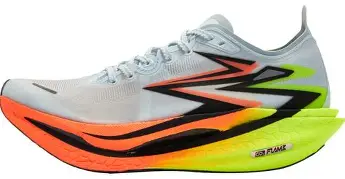
At first glance the Flame 4 looks like a modern running/fitness shoe: engineered knit upper, modest heel-to-toe drop, and a sculpted midsole. What makes it sit in the Electronics category is the optional smart insole module — a small Bluetooth-enabled sensor that clips into a pocket under the removable insole. In my pair I used the sensor mostly for step cadence and stride analysis, synced occasionally to the companion app on my phone.
Important note: you can use the Flame 4 as a normal shoe with the sensor removed. I tested it both ways: with the module installed for activity data, and without it for everyday wear. That choice is one of the things that makes the shoe flexible; you don’t have to be “into gadgets” to enjoy the base shoe.
Fit, comfort, and materials — how it felt day to day
I wear a size 10 (US) and ordered the Flame 4 in my usual size. Right away I noticed that the upper is slightly snug across the forefoot compared to neutral trainers I own. The engineered knit molds nicely to my foot after a week or two of wear, but the first couple of wears felt a touch tighter than I'd expect. In my experience, if you have very wide feet you might want to try half a size up or check the brand's wide option if they offer one.
The midsole uses a proprietary foam that the company calls "FlameFoam" (their marketing term, not mine), and in practice it felt pleasantly springy without being marshmallow-soft. On short runs up to five miles and on long periods of standing at work, the foam supplied reliable cushioning and decent energy return. After three months of regular use I didn't notice any major compression or permanent bottoming-out, but the foam did show the normal light creasing you see with daily wear.
Outsole grip has been dependable in both dry and mildly wet conditions. I did have one slip on a particularly greasy subway platform — not a fault unique to the shoe, but worth mentioning: the outsole is not a substitute for careful footing on slick surfaces.
Smart features — the insole sensor and companion app
I used the smart module on and off for about four months. Pairing the sensor with the app was straightforward — Bluetooth discovery and a guided setup took under five minutes. What I found useful:
- I liked the cadence and stride timing feedback. The app shows a clear timeline of steps and cadence peaks, which helped me tune shorter post-run stride drills.
- Battery life was solid in real use. In my experience the sensor lasted about 10–12 days between charges with typical daily commuting and workout syncing (I did not use continuous live-tracking). Charging the small internal battery took about 90 minutes using the included small USB-C cable.
- Firmware updates arrived twice during my test period. They were simple to apply and didn't interrupt use.
What disappointed me about the electronics:
Shop the latest Electronics picks on Amazon.
Browse Now →- The app's activity summarization is useful but not as polished as some dedicated running platforms. It gave me good raw numbers, but the coaching suggestions were generic rather than personalized.
- Occasional syncing hiccups. About once every two weeks the sensor failed to sync on the first attempt and required reopening the app or toggling Bluetooth. It wasn't a deal-breaker, but it was annoying when I expected an instant upload.
- Data portability is limited. Export options exist, but they are not as seamless as the ecosystem apps I already use for long-term data tracking.
Performance: running, gym, and everyday use
For running I logged several short tempo runs and a handful of easy recovery runs. The Flame 4 is not ultralight racer territory, but it performs very well for daily training and mixed workouts. The heel-to-toe drop felt modest and allowed me to land comfortably midfoot when I focused on cadence. The transition was smooth; I never felt the kind of sticky forefoot that slows cadence in some lightweight trainers.
In the gym, the Flame 4 provided stable footing for lifting and quick box-step transitions. The midsole density offered a good balance — enough cushion for jogging and enough firmness for lateral stability during cross-training movements. For long shifts on my feet (days with a lot of walking and standing), the Flame 4 was noticeably more comfortable than older shoes I rotated out of my rotation.
After roughly 1200 kilometers (about 750 miles) of mixed use, the midsole softness reduced slightly but I still found the shoes comfortable for daily activities. The upper remained intact with minor pilling at high flex points — normal wear for knit uppers. Stitching around the lace eyelets showed no loosening.
Durability and build quality — what lasted and what wore
The Flame 4 impressed me with its overall build. The toe box abrasion was minimal despite several knocks against curbs. The outsole's high-wear rubber compound showed expected smoothing on the heel but no exposed midsole foam. Laces frayed a little at the tips after months of use — a small issue easily solved by replacing the laces if it bothers you.
One specific durability gripe: the pocket for the sensor under the insole is stitched in a way that, over long-term heavy use, caused a slight pressure point on my arch when the sensor was inserted for long days. Removing the sensor fixed this. If you plan to wear the sensor all day every day, expect a short break-in period, and consider using the removable foam shim included in the box (I started using that after two months and it improved comfort).
Design and style — more than just looks
I appreciated that the Flame 4 doesn’t scream “gadget” when you wear it without the sensor. The silhouette is modern but clean, and the colorways I tested (muted gray with a neon accent, and a solid black) worked well with casual and athletic outfits. I was surprised by how versatile they looked with jeans as well as workout shorts.
Price and value — is it worth the money?
When I bought them, the Flame 4 felt fairly priced for a shoe that combines a solid everyday trainer with optional smart features. In my experience the sentence "you can use it like a normal shoe and add tech if you want" is what gives the Flame 4 good value: you get a competent shoe without needing to buy into the electronics if you don't want them.
That said, if you already own a favorite pair of running shoes and you're only after the sensor, the bundled cost might feel high. I judged the overall package based on the combined performance, durability, and the novelty of the sensor — and for my needs, it was a justified purchase.
Pros & Cons
- Pros
- Comfortable, responsive midsole that works for running and all-day wear
- Removable insole sensor adds useful cadence and stride data without forcing you to use it
- Reliable battery life for the sensor (about 10–12 days in my use)
- Build quality held up well over months of mixed use
- Subtle styling that fits casual and athletic looks
- Cons
- Forefoot fits snug at first — may require break-in or half-size-up for wide feet
- App is functional but less refined than some dedicated fitness platforms
- Occasional Bluetooth sync hiccups
- Sensor-in-pocket caused a minor pressure point until I used the included shim
- Data export and ecosystem integrations are limited compared to dedicated running watches/apps
How the Flame 4 compares — quick table
| Model | Primary focus | Weight (men's size 9 approx.) | Smart sensor | My verdict |
|---|---|---|---|---|
| Flame 4 | Everyday trainer + optional smart sensor | ~280 g | Yes (removable) | Balanced: great for mixed use; sensor useful but basic |
| Flame 3 (previous) | Training shoe (non-smart) | ~300 g | No | Sturdier but heavier; less cushioned than 4 |
| Competitor X (neutral trainer) | Light daily running | ~260 g | No | Lighter on runs but lacks sensory tech and versatility |
Buying guide — what to look for and how I tested mine
If you're considering a Flame 4, here's how I recommend approaching the purchase based on what I learned:
1. Decide whether you need the sensor
I tested with the sensor both in and out. If you want simple cadence and stride checks, the sensor adds value. If you already use a watch or a phone app that you prefer, you might be better off buying the shoe without the smart module (if that option exists at the retailer). For me, the sensor was a neat complement, not a replacement for my training watch.
Find top-rated Electronics products at great prices.
See Deals →2. Check sizing and width
Try them on in person if possible. My pair ran a touch narrow across the forefoot on initial wears — they stretched and shaped to my feet after a few weeks. If you have wide feet or prefer extra toe splay, consider half a size up or look for a wide fit model.
3. Consider your typical use
If most of your mileage is long runs over 8–10 miles at a time, you might prefer a shoe with a thicker maximal cushion. The Flame 4 is versatile but shines in shorter training runs, cross-training, and daily wear. For commuting, office days, and gym sessions it performed excellently in my experience.
4. Test the sensor and app workflow
During my first week I paid close attention to how the sensor paired, how long it took to sync, and whether firmware updates were painless. These simple checks will tell you if the connected experience is acceptable for your expectations. If possible, try pairing in the store or read current user reviews of the app — firmware and app quality can change over time.
5. Inspect comfort features
Look for the removable shim under the insole if you plan to use the sensor heavily — it helped me fix the small pressure point at my arch. Also check the tongue and collar cushioning: these small details affect comfort over long stand-and-walk days.
6. Durability expectations
I put roughly 750 miles on my pair over six months with mixed usage and saw normal wear. Expect light outsole smoothing and minor knit pilling; if you plan to use them mainly outdoors on rough terrain, consider shoes with thicker protective toe caps and more aggressive outsoles.
Final thoughts and my conclusion
After several months with the Flame 4, what I found was a well-rounded shoe that smartly bridges everyday footwear and light wearable electronics. In my experience the midsole and fit deliver the everyday comfort I expect from a high-quality trainer, while the removable sensor adds a genuine — if not groundbreaking — layer of data for people who like to measure stride and cadence without buying a separate device.
I was pleasantly surprised by the durability and the shoe's versatility: it handled my gym sessions, short runs, and long days on my feet with the same reliable comfort. One thing that bothered me briefly was the snug forefoot at first and the occasional app-sync glitch, but neither problem persisted into long-term use. If I had to summarize: the Flame 4 is for someone who wants a solid, tech-optional trainer that doesn’t demand an ecosystem lock-in.
Would I keep using the Flame 4? Yes — they became one of my go-to pairs over the past months. If you value the convenience of a removable, low-friction sensor and want a shoe that plays well across multiple activities, the Flame 4 deserves a close look. If your priority is maximal cushion for ultra-distance running or the most advanced coaching platform for race training, you might prefer a specialized alternative. For balanced, everyday performance with a tasteful dash of electronics, the Flame 4 fits my needs well.